
Posted on May 22, 2026 in
Technology
Canada’s technology specialization job market in 2026 is still expanding, but it has become more practical and skills-focused than ever. Employers are less interested in theory and more focused on whether graduates can actually build, secure, design, market, and maintain real systems.
The result is a strong demand for focused diploma programs that can take students from entry-level training to job-ready skills in under two years. Below is a helpful breakdown of key technology diploma paths, what they actually involve, where demand is strongest in Canada (according to the Canadian Job Bank), and why students continue choosing them.
Cybersecurity Diploma (70 Weeks)
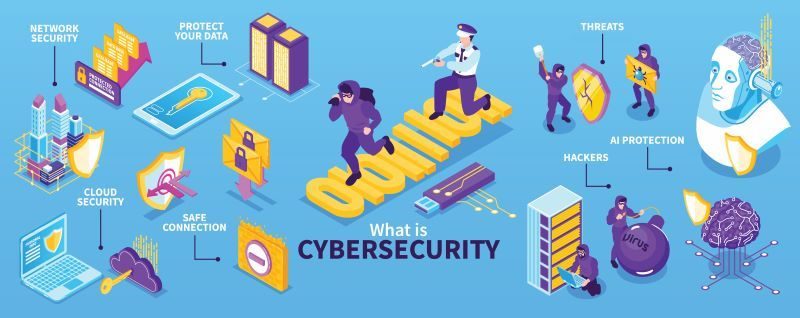
Cybersecurity remains one of the most in-demand fields in Canada as businesses deal with increasing digital threats, ransomware risks, and data protection requirements.
Key elements that are essential to the field:
- Network security fundamentals and system protection
- Threat detection and incident response
- Ethical hacking and vulnerability testing concepts
- Cloud security and infrastructure protection
- Risk assessment and cybersecurity frameworks
Canadian provinces with the strongest demand:
- Alberta – energy sector and enterprise security needs
- Ontario – finance, government, and corporate IT systems
- British Columbia – tech companies and cloud-based services
Why students choose to pursue this technology specialization:
- Strong long-term job stability across industries
- Opportunities for remote or hybrid work
- Higher-than-average entry-level salary potential in IT fields
Digital Marketing Diploma (46 Weeks)

Digital marketing blends creativity, strategy, and data. It’s one of the fastest pathways into tech-adjacent careers because every business now competes online.
Key elements that are essential to the field:
- Search engine optimization (SEO) and content strategy
- Social media campaign planning and execution
- Paid advertising (Google Ads and social platforms)
- Marketing analytics and performance tracking
- Branding and digital communication strategy
Canadian provinces with the strongest demand:
- Ontario – major advertising and corporate hubs
- British Columbia – startups and digital agencies
- Alberta – growing small businesses and service industries
Why students choose to pursue this technology specialization:
- Faster entry into the workforce compared to many tech roles
- Strong freelance and self-employment opportunities
- Applicable across nearly every industry sector
Graphic Design Diploma (53 Weeks)
Graphic design continues to evolve into a digital-first career focused on branding, social media, and online content creation.
Key elements that are essential to the field:
- Visual design principles and layout composition
- Adobe Creative Suite (Photoshop, Illustrator, InDesign)
- Branding and identity development
- Digital illustration and marketing visuals
- Print and web-ready design production
Canadian provinces with the strongest demand:
- British Columbia – creative industries and agencies
- Ontario – advertising, media, and corporate design teams
- Quebec – strong arts, media, and branding sectors
Why students choose to pursue this technology specialization:
- Creative career path with portfolio-based hiring
- Freelance flexibility and contract work opportunities
- Demand for digital content across all industries
Network Administrator Diploma (54 Weeks)

Network administration is the backbone of modern IT systems, keeping organizations connected, secure, and operational.
Key elements that are essential to the field:
- Network infrastructure setup and configuration
- Server management and system maintenance
- Troubleshooting and technical support systems
- Network security fundamentals
- Cloud and virtualization basics
Canadian provinces with the strongest demand:
- Alberta – large enterprise and industrial networks
- Saskatchewan – government and public sector IT systems
- Ontario – corporate IT departments and service providers
Why students choose to pursue this technology specialization:
- Stable, consistent demand across industries
- Strong foundation for advancement into cybersecurity or cloud roles
- Hands-on technical career path
Software Development Diploma (56 Weeks)

Software development remains one of the most versatile and globally relevant tech careers, powering everything from apps to enterprise systems.
Key elements that are essential to the field:
- Programming fundamentals (multiple languages)
- Web and application development
- Database design and management
- Software testing and debugging
- Object-oriented programming and system logic
Canadian provinces with the strongest demand:
- Ontario – large tech and finance software ecosystems
- British Columbia – growing startup and SaaS markets
- Alberta – expanding digital transformation across industries
Why students choose to pursue this technology specialization:
- High long-term earning potential
- Remote work and global job opportunities
- Wide range of career paths across industries
Web Design and Development Diploma (54 Weeks)

Web design and development combines technical coding skills with user-focused design thinking.
Key elements that are essential to the field:
- HTML, CSS, and JavaScript fundamentals
- Responsive and mobile-first web design
- User experience (UX) and interface design
- Content management systems (like WordPress)
- Website deployment and maintenance
Canadian provinces with the strongest demand:
- British Columbia – digital agencies and tech firms
- Ontario – corporate web teams and e-commerce
- Alberta – business and service industry websites
Why students choose to pursue this technology specialization:
- Strong balance of creativity and technical skill
- Freelance and agency work opportunities
- Constant demand as businesses expand online presence
Final Thoughts – Choosing a Technology Path in 2026
Technology careers in Canada are no longer dominated by traditional “IT jobs” as they once were. They now stretch across marketing, design, infrastructure, software, and cybersecurity. The real advantage today is flexibility – most of these careers overlap and allow room to grow into more specialized roles over time.
A few consistent patterns stand out for consideration:
- Cybersecurity and software roles tend to offer the strongest long-term salary growth, but also require the most technical expertise
- Strategy-focused digital marketing and web design offer faster entry and more freelance flexibility
- Network administration provides a stable foundation for broader IT careers
- Creative tech fields like graphic design remain highly relevant in digital-first industries
What matters most is choosing a path that matches how you like to work – whether that’s analytical, creative, technical, or a mix of all three.
In 2026, the “enrollment to paycheque” path is less about luck and more about focused skills, practical training, and choosing a direction that actually fits the modern job market.
Contact us to learn more.
Read more trending blogs.
About The Author

Content Editor & Writer, ABM College
As Content Editor at ABM College in Calgary, Alberta, Stephen plays a key role in advancing the college’s mission to provide relevant, high-quality training for today’s job market. He ensures all blog articles and web materials are accurate, clear, and genuinely useful for students, career changers, and industry professionals.
Stephen is also the author of a best-selling historical reference series documenting decades of computer and video gaming history — a body of work recognized by the Canadian Choice Awards.
Connect with Stephen on LinkedIn, explore his published works at Falcon Designs, or see his editorial expertise in action on the ABM College Blog.